
For generations, rural ambition in southern India was measured by a steady sequence of departures: taking a bus to school, then catching a train to college, boarding a flight for further studies, and finally setting sail permanently on a career ship. In Kurumbapatti, a village in the rain-shadow area of the Kadavur block in Tamil Nadu’s Karur district, this kind of departure used to seem like the only way to move forward.
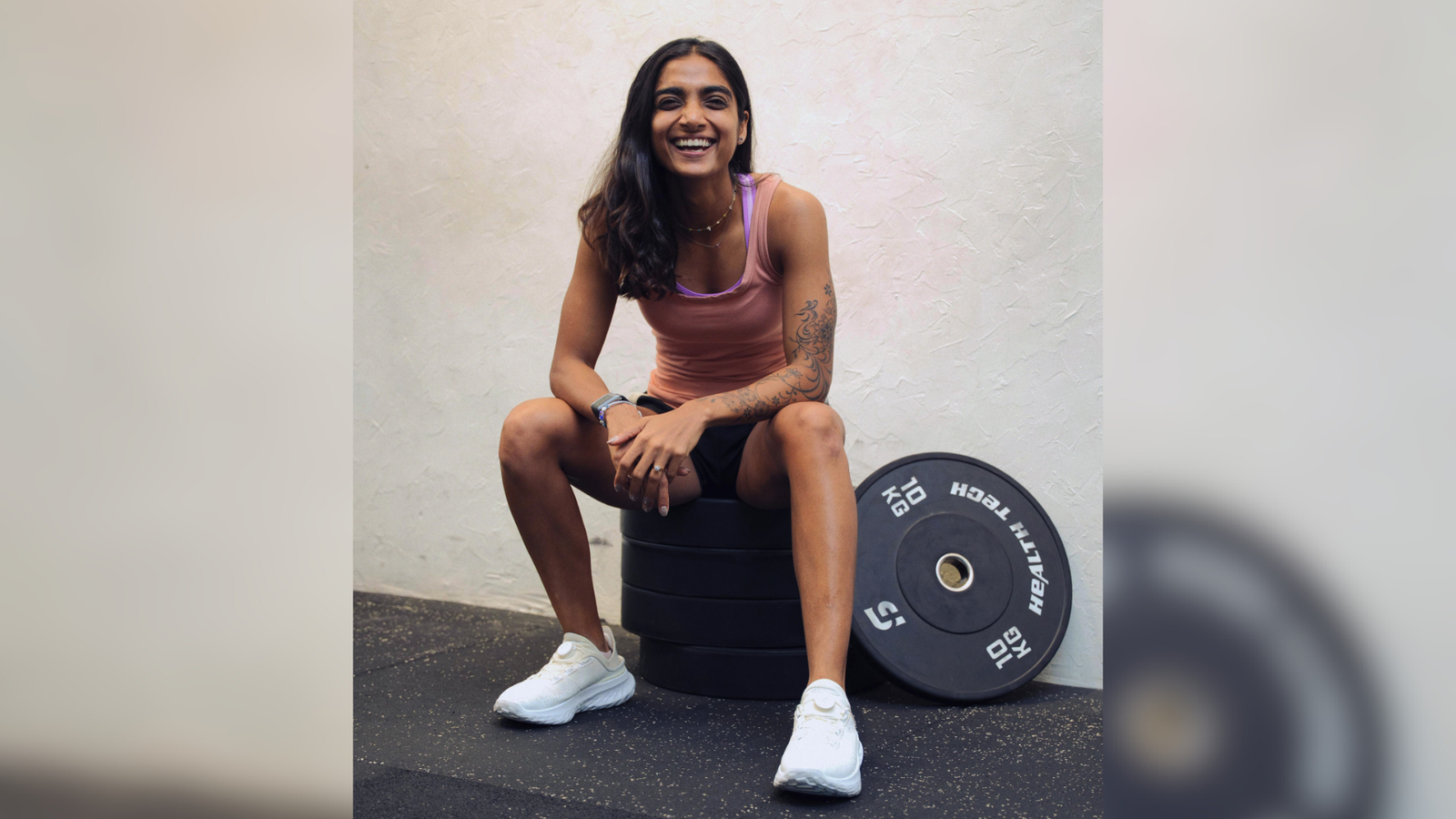
However, for social entrepreneur and regenerative agriculturist Nithya Shri, real progress did not consist in leaving her dry homeland, but in going back to help revive it. Nowadays she is leading a diverse grassroots movement which connects basic literacy, sustainable agriculture, smallholder agritech, and decentralised rural e-commerce.
From Civil Service Aspirations to Arid Realities
The family background of Nithya was characterised by a strong sense of public duty. Her paternal grandparents played a key role in the historic Bhoodan movement through an NGO established in 1986, arranging land rights, access to drinking water, and sanitation for disadvantaged communities, and her father held the position of president of the panchayat in Palaviduthi. Her mother did notable social work in rural women empowerment
Having finished her undergraduate degree in communicative English, political science, and economics in Bangalore, Nithya at first decided to prepare for the Indian Foreign Service (UPSC IFS) in order to meet the expectations of her family. The structural defects and socioeconomic inequalities which she had examined on paper were being reflected in the dryland areas of her family’s village. Because of the widespread use of chemically treated produce and the severe lack of education in rural areas, she decided to turn her privilege and energy once again towards Kurumbapatti.
Karkalaam: Reinventing Foundational Literacy on Village Roads
Seeing that there were serious dropout rates and learning gaps among the local children, Nithya set up Karkalaam through the Association of Bhoodan and Community Development (ABCD). Since the traditional teaching methods were unable to interest children, whose daily activities involved looking after livestock, the use of ordinary pencils and paper notebooks caused them anxiety rather than inspiring curiosity.
In order to deal with this resistance, Nithya adjusted her teaching methods to suit the local landscape, using water from reused plastic bottles as ink on dry tarmac, turning salvaged pieces of charcoal into writing tools, and employing twigs to draw the Tamil alphabet into the red soil during the breaks when the goats were grazing. Over a period of five years, Karkalaam has developed through crowdfunding and the support of local communities into a flourishing rural centre for learning, driven by local tutors who are paid.
Regenerative Agriculture and Agritech at v.goodwitch Farm
When she moved from being involved in education to working with the land, Nithya set up v.goodwitch farm, a three-acre living laboratory in the drylands; two of the acres are used for self-developed regenerative horticulture models and one acre is reserved for paddy Farming research field that are grown without the use of synthetic chemicals.
In her capacity as a Community Resource Person for 125 farmers in the Kadavur Natural Farming Group she manages group with certification standards.Also, she led the Eyirser Uzhavam project, a self interest project providing guidance to farmers in eight panchayats on ecological methods of crop management. To deal with the inequalities in the supply chain, she took on the position of CEO at the Kadavur Collective Farming Producer Company and set up an aggregation network which ensures fair prices for dryland smallholders. Since the manual work involved in field maintenance was so exhausting, she also established Nellusoru Manufacturers & Services, creating low-cost manual weeders that help alleviate the operational difficulties faced by small and marginal farmers.
Senkulatharu: Building an Inclusive, Women-Led Dryland Economy
Nithya set up Senkulatharu, a direct-to-consumer brand, so as to protect agrarian families from the fluctuations of commodity markets and from predatory middlemen by turning traditional dryland products into high-value pantry items.
The platform uses automated messaging workflows to handle order fulfillment, supplying directly to urban households’ chemical-free products that have been traditionally processed, such as sun-dried and mud-processed dal and raw forest honey. Intentionally, the company is structured so that rural women are at the heart of all the stages involving value addition, cleaning, and packing, turning the regional agricultural biodiversity into reliable financial independence.
Defying the Single Narrative: A Multi-Hyphenate Blueprint
In addition to her work in the fields of enterprise and agriculture, Nithya has written a children’s book called Goats Don’t Like Tomato Rice, and a second practical volume on the cultivation of heritage paddy is currently being prepared. Her thoughts moves around carrying out rigorous field trials and logistics planning alongside living sustainably- artisanal sourdough baking, natural fabric dyeing, and making herbal soap.
Nithya Shri rejects the corporate view that a life must fit neatly into standard operating procedures and narrow categories, demonstrating that rural renewal begins when young leaders bring their knowledge back to the soil.