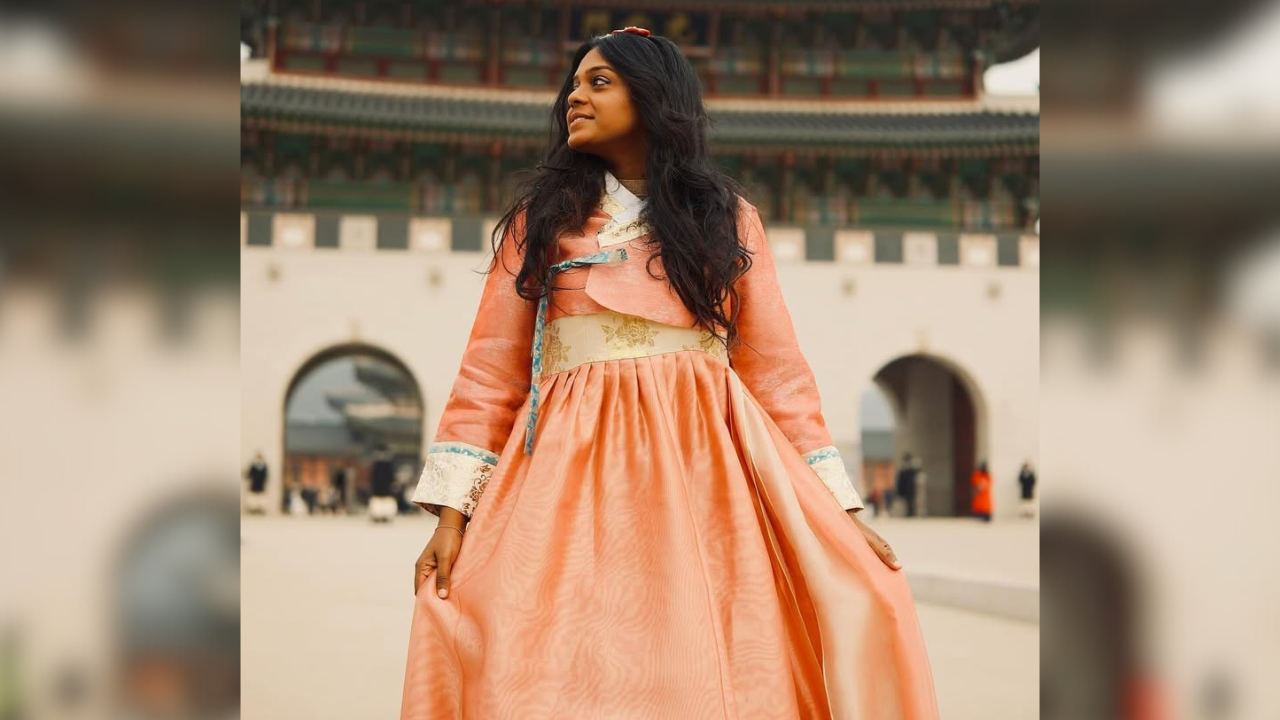

In this day and age, when there’s such a strong focus on quick viral successes and fast-paced venture financing, the process of creating a lasting consumer brand seems incredibly unimpressive from the inside. When Pavithraa launched Mazhalai, she didn’t have a ten-year strategy or any experience in the retail sector. Rather, she possessed an engineering degree, a record of carrying out all sorts of side projects, and the sharp frustration of a new mother who couldn’t find soft, reasonably priced Indian cotton for her baby. Now, ten years on, Mazhalai has managed to survive changes in algorithms, sluggish sales periods, and the fact that the direct-to-consumer market has become more and more competitive by sticking to one principle: consistent craftsmanship rather than fleeting trends. The path she’s taken from the corporate offices in Coimbatore to the handlooms in Erode is not one of a neat, sudden success, but instead a real-life example of perseverance.
An Engineer’s Non-Linear Path
Having obtained a degree in Instrumentation and Control Engineering from the well-known PSG College of Technology in Coimbatore, she progressed up the corporate ranks, earned a steady income, and remained on the straightforward path that is normally expected of ambitious graduates.
Under that routine corporate atmosphere there was a restless creative curiosity. Pavithraa was not reluctant in testing out ideas on the side; she took on freelance graphic design jobs via Upwork, taught herself Spanish up to level 2, and started ‘Call for Game’, a specialized venture involving the rental of PlayStation discs. Then her daughter was born and her priorities changed suddenly.
A Search for Honest Comfort
Just like so many new parents, Pavithraa found herself facing an tiring retail problem. The clothing available for babies was mostly made up of itchy synthetic mixes with high price tags, or fragile items that lost their shape after only one washing. She wished for simple clothes that were soft, breathable, and truly safe for sensitive infant skin, without having to pay exorbitant prices.
Seeing that other mothers were looking for the same kind of everyday comfort, she made a major decision based on faith and went away from corporate stability to set up her own venture.
Based on Tamil Nadu, she went straight for Erode, a area worldwide known for its handloom traditions, spinning mills, and high-quality textiles. Instead of turning to anonymous mass production, Pavithraa put together a team of skilled tailors within the company and worked only with the softest Indian cotton that was produced at home. This dedication formed the basis of Mazhalai.
Balancing Heritage with Playful Usability
Mazhalai was mainly designed for children from the age of zero through five, and with special sizing the range went on to include children as old as eight years. The catalog gradually developed to feature everyday items such as rompers, vests, dungarees, jumpers, frocks and kurta sets, all of which were engineered to cope with the busy and rough activity level of early childhood.
What made the clothes stand out was their unique design style. Pavithraa combined cultural heritage with a touch of playfulness: traditional Batik patterns, finely crafted Ikat weaves, and subtle Tamil script fitted naturally with cheerful designs such as cars, rabbits, and rainbows. Features such as butterfly sleeves, Chinese collars, fine tassels, and ruffles gave each style a distinct character while at the same time keeping the prices for everyday use within the range of ₹300 to ₹800. For special occasions she offered handloom silks, cotton silks, and Chanderi dresses from ₹1,000, showing that festive clothing did not have to be stiff, made from synthetic materials, or excessively expensive.
Weathering the Quiet Months
In the last ten years the digital commerce ecosystem has changed greatly. The organic reach which platforms such as Instagram used to provide has disappeared, advertising costs have risen, and each month new competitors have flooded the market.
It was a humbling experience when a carefully planned festive collection for Onam and Krishna Jayanti received almost complete silence from the buyers. The fact that weeks of hard work and capital had been invested in the designs only to be met with such cold indifference can do anything to shake a creator’s confidence.
Rather than pursuing short-lived gimmicks or going down a spiral, Pavithraa made an adaptation. She retreated a step, looked at years of sales data, and once again focused on the core styles that her loyal community had been returning to year after year. She developed the ability to tell the difference between anxiety caused by the algorithm and long-term brand equity, and she placed her trust in repeat customers rather than in temporary vanity metrics.
The Quiet Triumph of Consistency
Ten years on from making her first pattern, the achievement that Pavithraa is most proud of is not a single viral moment or a quick funding round; it is simply that Mazhalai is still here and appearing every single day.
The fact that she has been in business for ten years provides an important lesson for self-employed entrepreneurs in that a slow period does not mean the business has failed. Although trends change and algorithms will eventually fail, a brand based on fair pricing, honest materials, and steady consistency will always survive the noise.